Landscape Grading And Drainage Services For Retaining Wall Stability
Improving your property’s landscape through professionally built retaining walls not only introduces beauty but also serves an important function in soil stabilization, erosion control, and slope management. If you are a homeowner, commercial property manager, or a DIY enthusiast, grasping the landscape construction process for retaining walls is necessary for a successful project. This detailed guide will walk you through everything from materials and design principles to installation, permits, and maintenance tips.
Understanding Retaining Walls in Landscape Construction
Retaining walls are construction components intended to hold back soil and stop erosion on hilly areas. Integral to landscape architecture, these walls support efficient slope management and terracing, forming usable flat areas known as garden walls that increase both form and function. Beyond aesthetics, retaining walls provide crucial soil stabilization and erosion control, minimizing landslides and defending properties from damage caused by water runoff and unstable soil.
In landscape construction, retaining walls serve multiple roles including:
- Holding steep slopes and minimizing soil movement
- Forming level spaces for patios, driveways, and gardens
- Directing water flow and improving drainage
- Enhancing curb appeal through architectural design
The combination of paver driveway design ideas these features corresponds to greater landscape design goals, focusing on both practicality and beauty.
Retaining Wall Materials and Their Uses
Picking the right retaining wall materials is crucial to durability, aesthetics, and budget. Multiple materials provide unique advantages considering the project scope, soil conditions, and desired look.
- Concrete Blocks: Standardized, simple to assemble, and extremely strong; ideal for both residential and commercial projects.
- Stone Veneer: Gives a natural, elegant appearance with superior longevity but often requires specialized masonry skills.
- Gabion Baskets:
Wire mesh cages loaded with landscaping rocks, delivering a sturdy, green solution with adequate drainage.
- Timber Retaining Walls: A economical choice for compact walls but susceptible to rot and pests if untreated.
- Modular Blocks: Interlocking blocks designed for easy DIY installation and strong load resistance.
- Masonry Walls: Made from brick or stone, these offer a traditional look with excellent strength and stability.
- Landscaping Rocks: Adaptable for decorative garden walls paired with other materials for improved function.
Deciding on materials considers not only aesthetics but also on factors like soil type, retaining wall height, drainage requirements, and maintenance expectations.
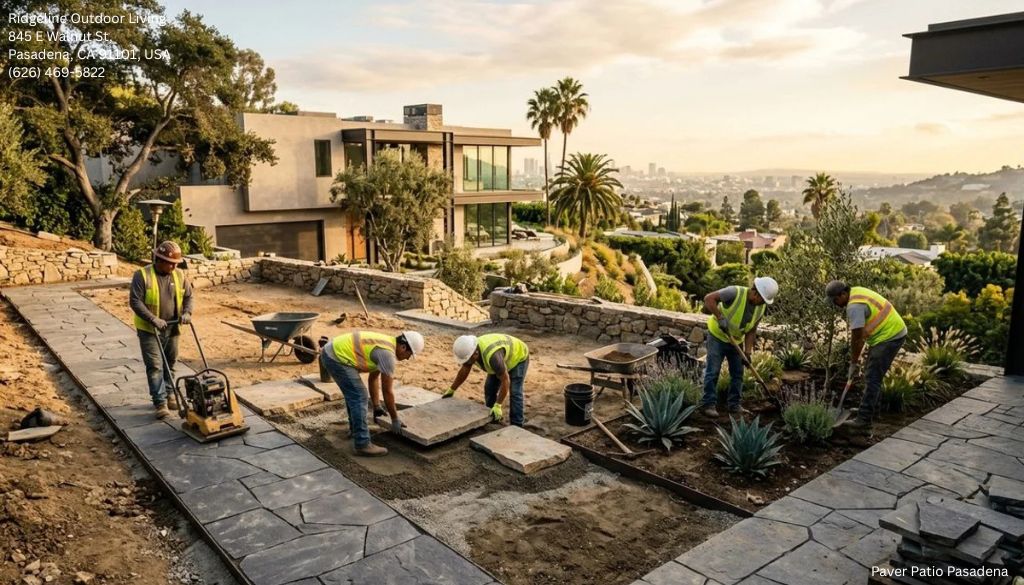
Designing Retaining Walls for Your Landscape Project
A carefully planned retaining wall starts with considered design. Key considerations cover retaining wall height, base and footing construction, and reinforcement strategies like geogrid installation to withstand loaded soils.
Proper landscape grading and property grading assure the soil behind the wall is stable and well-drained, decreasing pressure on the structure.
- Retaining Wall Height: Determines the engineering requirements and may alter the need for permits.
- Retaining Wall Base and Footings: Essential for distributing weight and stopping settling or shifting.
- Geogrid Reinforcement: Improves soil stabilization, especially for higher walls or weak soils.
- Landscape Grading: Manages water flow to protect the wall from hydrostatic pressure.
Consulting landscape architects or engineers can provide tailored designs that adhere to safety codes and support your landscaping goals.
Step-by-Step Guide to Retaining Wall Installation
Constructing a retaining wall involves several important steps to guarantee structural integrity and long-term performance. The process generally consists of:
- Site Preparation: Clean the area and perform landscape grading to create a even base.
- Excavation:
Dig ditches for the retaining wall base and footings according to engineering specifications.
- Base Construction: Lay a compressed gravel base to provide drainage and foundation support.
- Wall Assembly: Place retaining wall components such as concrete blocks or timber, ensuring correct alignment and use of retaining wall anchors where applicable.
- Backfill Material: Use clean, well-draining backfill such as gravel behind the wall to decrease pressure and facilitate drainage.
- Soil Compaction: Compact backfill in tiers to prevent future settling.
- Drainage Installation: Install drainage systems such as perforated pipes behind the wall to regulate water flow effectively.
- Finishing Touches: Add retaining wall caps for appearance and place landscape edging or plants to incorporate the wall into the landscape.
Using the correct landscaping tools and following engineering guidelines is essential at each stage for a reliable and sturdy retaining wall.
Drainage and Erosion Control Best Practices for Retaining Walls
Effective drainage is critical in retaining wall construction to prevent water pressure buildup that can trigger wall failure. Efficient drainage systems and erosion control paver driveway installation service practices include:
- Installing perforated drainage pipes at the base of the wall to reroute water.
- Using gravel or crushed stone as backfill to promote water flow away from the structure.
- Incorporating retaining wall drainage components such as weep holes and drainage mats.
- Implementing soil stabilization techniques like geogrid reinforcement.
- Designing slopes with appropriate grading to divert surface runoff efficiently.
These measures boost retaining wall safety and longevity while encouraging sustainable landscaping solutions that prevent soil erosion efficiently.
Permits, Codes, and Inspections for Retaining Wall Construction
Retaining wall construction often requires adherence to local building codes and obtaining necessary permits, especially paver driveway resources for walls taller than certain heights or located near property lines. Crucial factors include:
- Retaining Wall Permits: Examine local regulations to determine when permits are required.
- Building Codes: Walls must follow structural and safety codes that depend on region.
- Inspections: Periodic inspections guarantee walls meet engineering standards and are safe.
- Retaining Wall Contractors: Licensed professionals are familiar with permit processes and code compliance.
- Engineering Requirements: Some projects necessitate retaining wall engineering to verify design adequacy.
Seeking advice from experienced landscape contractors or civil engineers during planning aids in navigating these regulatory requirements efficiently, bypassing costly delays.
Estimating Costs and Hiring Retaining Wall Contractors
Understanding the costs associated and hiring qualified contractors are important steps for any retaining wall project. Cost factors include:
- Type and quality of materials (concrete blocks, stone veneer, timber, etc.)
- Wall dimensions
- Site ease of access and site preparation
- Drainage system installation and reinforcement specifications
- Labor costs and complexity of design
When contracting retaining wall contractors, evaluate the following qualities:
- Licensing and insurance coverage
- Experience with residential or commercial landscaping projects
- References and portfolio of past work
- Knowledge of local retaining wall codes and permitting
- Clear, detailed quotes including all potential costs
Obtaining multiple retaining wall quotes and comparing services makes certain you acquire fair pricing and professional workmanship suited to your project scope.
Maintaining and Repairing Retaining Walls
Regular retaining wall maintenance ridgelineoutdoorliving.com paver driveway installation service preserves aesthetics and safety while prolonging wall lifespan. Maintenance tips include:
- Examining for cracks, bulging, or leaning to detect structural issues early.
- Cleaning debris and managing vegetation growth near the wall.
- Guaranteeing drainage systems remain clear and working.
- Fixes like changing damaged blocks, resetting displaced stones, or reinforcing anchors.
- Regular assessments, especially after heavy rains or freeze-thaw cycles.
Attending to retaining wall repair without delay prevents expensive replacements and sustains the overall landscape design integrity and safety of your property.
Upgrading Retaining Walls with Landscape Design Elements
Incorporating retaining walls into wider landscape design increases their visual appeal and usability. Popular enhancements include:
- Landscape Lighting: Adding accent and safety lighting to accentuate wall features and boost nighttime visibility.
- Landscape Edging: Separating garden beds and walkways next to the retaining wall for a polished look.
- Landscaping Plants: Selecting native and drought-resistant plants to buffer wall edges and support soil stabilization.
- Patio Construction: Developing outdoor living spaces atop terraces shaped by retaining walls.
- Hardscaping Elements: Integrating benches, steps, or water features for functionality and style.
Such design integrations help change retaining walls from simply functional structures into key landscape architecture features that boost property value and enjoyment.
ConclusionSuccessfully constructing a retaining wall calls for careful planning, material selection, and adherence to engineering and regulatory standards. From understanding different materials and design principles to installation, drainage management, permits, and maintenance, each step plays a vital role in ensuring a durable, attractive, and safe retaining wall seamlessly incorporated into your landscape.
Whether undertaking a residential landscaping project or managing commercial property grading, consulting with qualified retaining wall contractors and landscape professionals can support you in reaching the best results customized for your needs and budget.
Begin planning your retaining wall project today to boost your outdoor space with lasting beauty and structural integrity.